



Hey there teacher friend! Make reading fluency fun. Learn how to use decodable comics to boost phonics skills, confidence, and expression in your K–2 classroom.
Why Reading Fluency Practice Often Falls Flat
Let’s be honest — we’ve all seen that glazed look students get when you hand them another bland fluency passage. It’s not that they can’t read it. It’s that they don’t want to.
Fluency practice can feel repetitive, especially when kids are just decoding words without meaning or joy. But fluency isn’t just speed — it’s accuracy, expression, and understanding. And to build those skills, kids need to actually want to read.
That’s where decodable comics come in.
What Are Decodable Comics?

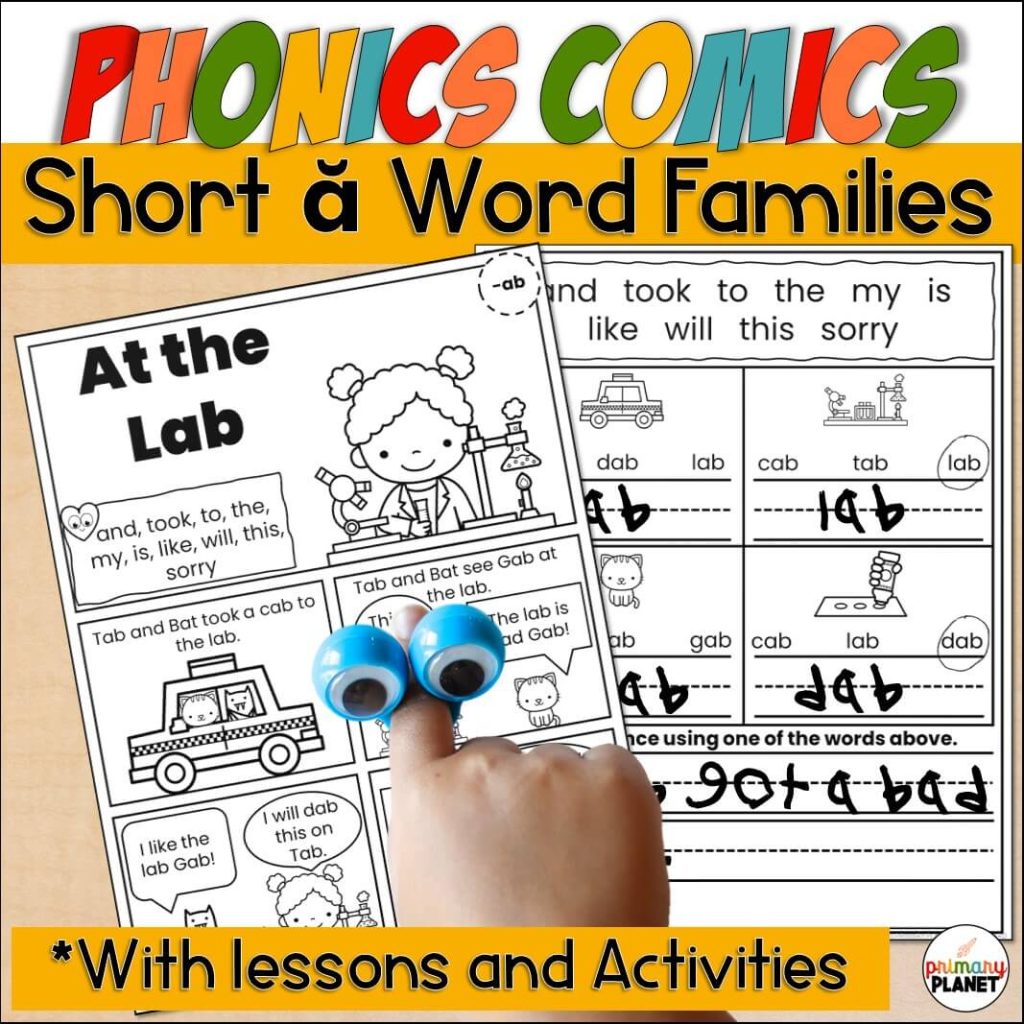
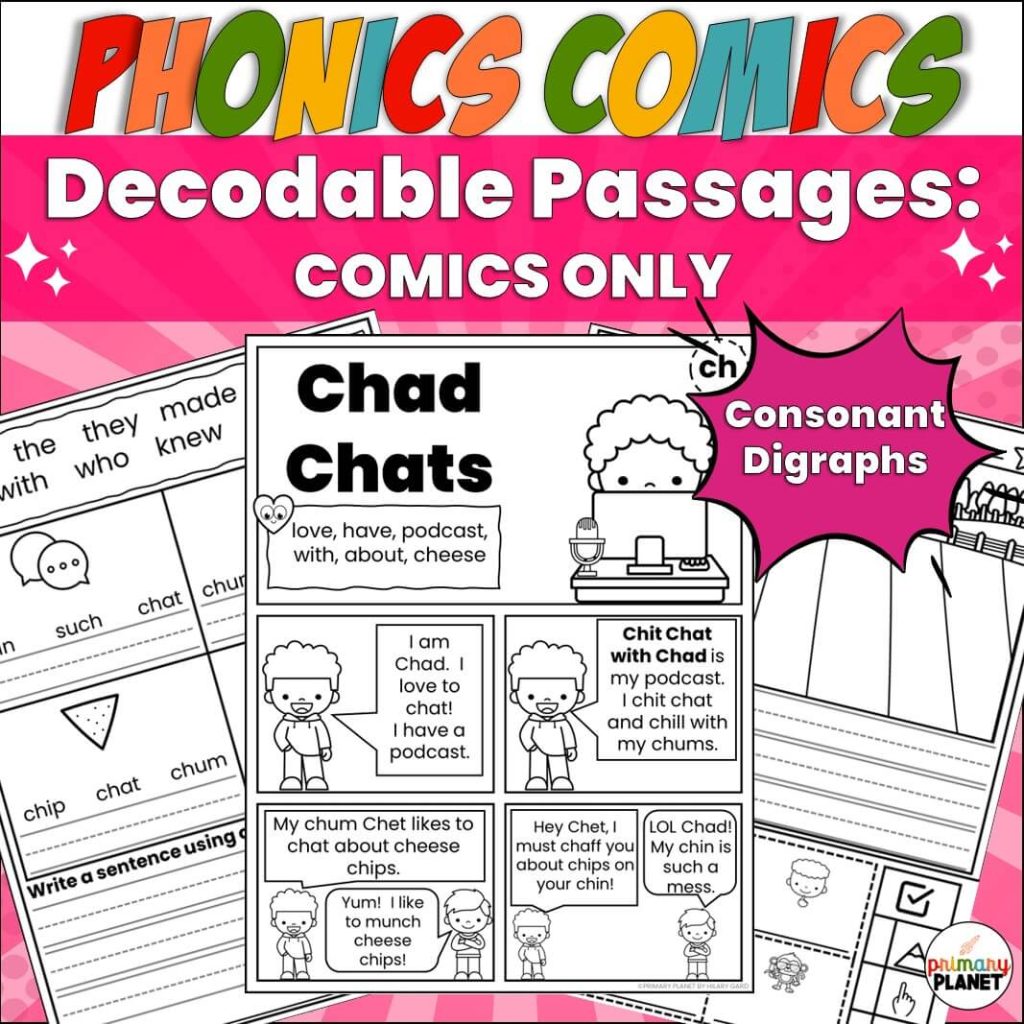
Imagine the power of a decodable reader — but with characters, humor, and speech bubbles that kids love. That’s exactly what Phonics Comics are.
Each comic is written with carefully controlled phonics patterns, high-frequency words, and plenty of visual support. Students practice decoding in context while laughing, predicting, and most importantly understanding what they read.
They’re short, engaging, and perfect for small-group instruction or independent practice. It’s reading fluency wrapped in fun.
Why Decodable Comics Work

- They’re 100% decodable. Every word reinforces the phonics skill you’re teaching — no random surprises or frustration.
- They’re visual and engaging. The comic format naturally supports comprehension and helps students track dialogue and punctuation.
- They’re perfect for rereading. Kids want to reread comics, and that’s where fluency magic happens!
- They build confidence. Success is built in — students feel proud, capable, and eager to read more.
4 Ways to Use Decodable Comics in Your Classroom
Here are a few of my favorite ways to make Phonics Comics part of your reading routine:
1️⃣ Small Group Reading Practice
Use comics as part of your phonics small groups. Choose a comic that matches your current phonics skill (for example, short a words or digraphs).
- Pre-teach tricky words and character names.
- Read together once, then have students reread with a partner for fluency.
- Ask quick comprehension questions or do a “turn and talk” about the plot.
👉 Bonus tip: Highlight punctuation as you go — it’s a sneaky way to build expression and rhythm.
2️⃣ Fluency Conferences
During individual reading check-ins, have students read a comic aloud to you. The short format keeps it stress-free but still gives you tons of information about decoding, phrasing, and expression.
You can even use a Fluency Tracker (I include one in my Phonics Comics Bundle) to note progress and celebrate wins!
3️⃣ Partner Reading or “Comic Theater”
Students love to read comics together. Assign character voices and have partners or small groups act out the comic — dramatic pauses and all!
It’s an instant hit for fluency, comprehension, and engagement. Plus, it helps shy readers open up.
Pair it with my Read the Punctuation Game to help them match expression to punctuation marks. (My mascot Ellie the Expression Elephant makes this so fun!)
4️⃣ Home Practice That Kids Actually Want to Do
No more reading log battles! Send home a comic with directions like “Read it aloud twice — once in a normal voice and once in your favorite character voice.” Parents love the structure, and kids love the freedom.
You can even include a simple comprehension question for students to answer on the back.

Tips for Getting the Most Out of Decodable Comics
- Start small. Introduce one comic at a time so students can focus on mastery.
- Model expression. Read one page dramatically before letting them try — it sets the tone and shows what fluent reading sounds like.
- Mix it up. Use comics as transitions, centers, or Friday fun reading.
- Track growth. Use a quick rubric or fluency checklist to show progress over time — kids love seeing their own improvement!
Extend the Learning
Want to take it a step further? Pair your Phonics Comics with these activities for deeper skill transfer:
- Word Work Connection: Pull vocabulary or phonics patterns from the comic and sort, spell, or build them with your Word Work Mats.
- Writing Connection: Use the comic’s topic as a prompt for your Decodable Sentence Writing Prompts resource — students can write their own comic sequels!
- Expression Extension: Follow up with the Read the Punctuation Game to reinforce fluency through tone and punctuation awareness.
Each of these activities connects fluency to real reading and writing skills — that’s the sweet spot where growth happens.
Freebie: Decodable Comic + Fluency Tracker
Ready to see how much fun fluency practice can be? I’ve created a Free Decodable Comic and Fluency Tracker that you can download and use tomorrow!
Your students will love the humor and characters, and you’ll love watching their decoding and expression skills skyrocket.
Wrap-Up
When reading feels like play, kids forget they’re practicing. That’s the secret behind Phonics Comics.
They combine everything we want from reading instruction — phonics practice, fluency, comprehension, and joy — all in one tiny, powerful package.
So grab a few comics, find your inner dramatic voice, and let the reading fun begin!
-

Decodable Passages + Phonics Lesson Plans and Worksheets – Short a CVC Word Families – Phonics Comics!
$15.00 -
Consonant Digraph Decodable Passages + Science of Reading Aligned Phonics Worksheets – Phonics Comics ONLY
$7.00 -
Decodable Phonics Readers – Mixed Short Vowel Families Decodables – Comics Only Version
$7.00 -
Decodable Readers + Phonics Lesson Plans and Worksheets – Short i CVC Word Families – Phonics Comics!
$15.00
Pin the image below to your reading board to save these fun Phonics Comics!

Happy Teaching,
Hilary 💕