
Hey there, Teacher Friends! Today we are talking about dun, dun, dun…Reading Logs! Traditional reading logs track one thing: time. Time is fine, but time doesn’t tell you if your students understood what they read, made a connection, or could retell the story. What if your in-class reading tracker did the comprehension work at the same time? That’s the idea behind this resource—and once you try it, the old version is going to feel like it’s missing something.

The Problem with Traditional Reading Logs (You Know This One)
You send one of these bad boys home. Some students return it filled out. Some return it with suspiciously similar handwriting to their parents. And some? You never see it again.
In-class reading time can feel just as chaotic. Students finish at different times. You’re pulling small groups. Independent reading can turn into independent daydreaming pretty quickly without some kind of accountability built in.
And then there’s the reading comprehension piece. Just because a student read for 20 minutes doesn’t mean they understood what they read. A basic book title and minutes-read log tells you very little about what’s actually happening in their heads.
You need something that tracks reading and checks for understanding—something that works for at-home reading, in-class reading, and independent reading alike. Something simple enough that your students can use it independently. And something ready to go, because you don’t have time to build it yourself.
Some Solutions Worth Trying First
Before we get to the resource, a few ideas that can help with reading accountability on their own.

Whole-class reading logs are a great community builder. When you read a book aloud together, keep a class log. Take a picture of a student holding the book, add a quick comprehension response, and post it in the hall. It celebrates what you’re reading together and builds a little reading culture in your classroom.
Reading challenges are another winner, especially for students who need a little extra motivation. Send one home at the beginning of the month and celebrate the students who complete it. Make it a big deal. Morning announcements, a mention in the newsletter—kiddos love that kind of recognition.
Digital options like Padlet can also work well. Students record a short video or audio clip about their book. Anything that feels even a little “YouTube-ish” tends to get buy-in from young readers. (I’m not affiliated with Padlet—I just really like it.)
All of these are great additions to your reading routine. But if you want one resource that handles your in class reading tracker, your reading comprehension worksheets, and your at-home reading logs all in one place—that’s where my Reading Logs, Book Tracker, Reading Comprehension Worksheets, and Reading Challenge resource comes in.
What’s Included
This resource gives you everything you need to set up a complete reading routine—without starting from scratch. Here’s what’s inside:
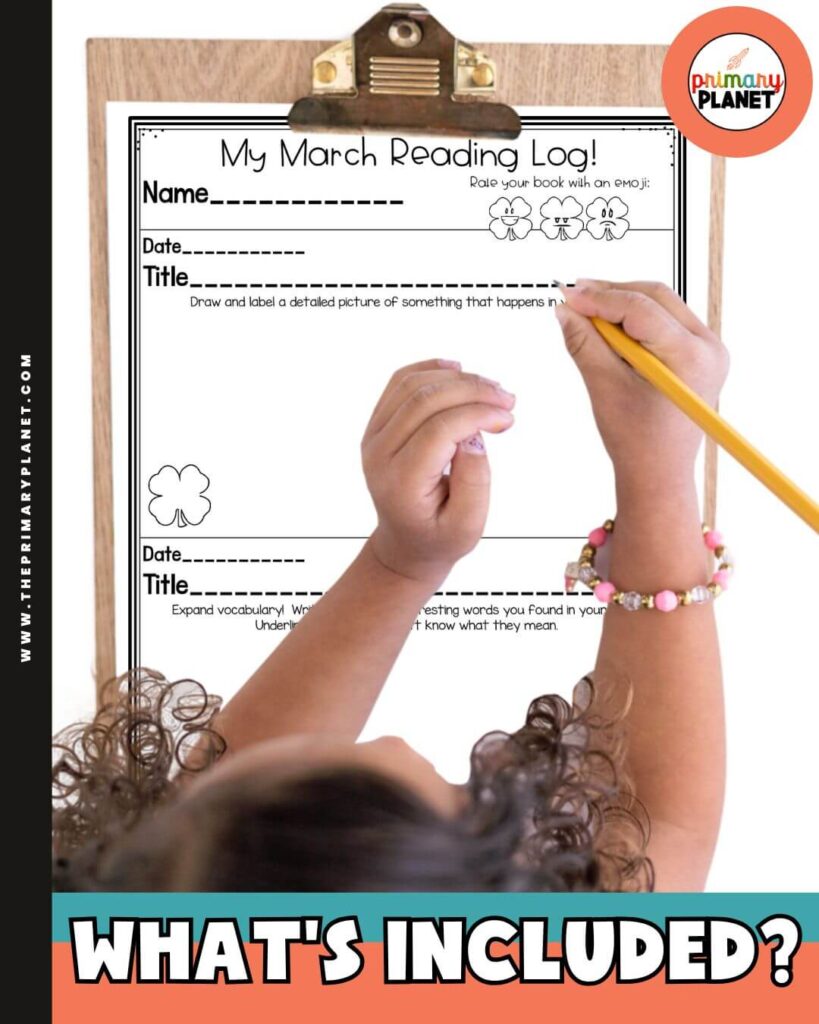
- Traditional Weekly and monthly reading logs (with or without parent signature line) in two versions (15 minutes per night and 20 minutes per night) for at-home reading
- Color-in reading logs for a simple, visual way for students to track their reading time
- 4 double-sided in-class fiction reading logs with reading comprehension prompts built right in
- 1 double-sided in-class nonfiction reading log with comprehension prompts
- 1 blank in-class reading log where you choose the prompts
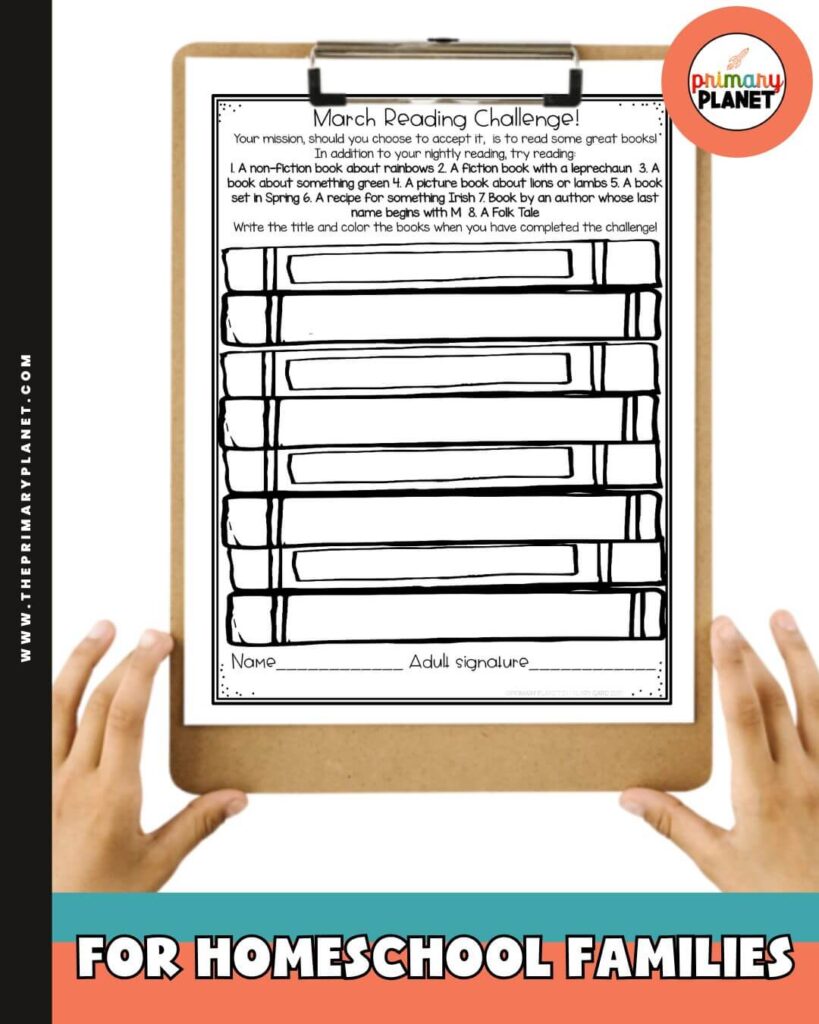
- 2 reading challenges at different difficulty levels, so you can differentiate right from the start
The in-class reading trackers are the heart of this resource. Students aren’t just tracking minutes—they’re responding to their reading. That means you get real data on what they’re understanding, and your students are practicing reading comprehension in a structured, manageable way every time they read independently.
For Homeschool Families
This resource works beautifully in a homeschool setting too. The monthly reading log is a simple way to keep a record of what your child has read throughout the year, which is especially helpful if you document your homeschool work. The reading challenges can be used seasonally as a fun goal-setting activity, and the comprehension response sheets are a great way to add some structure to independent reading time without turning it into a chore. Use the blank in-class reading log to write your own prompts based on whatever your child is currently reading.
What Teachers Are Saying
“This notebook has been so valuable for tracking reading progress! I have created multiple notebooks for multiple grades. I have found this to be so helpful for keeping on the same page with my aide as well.” — Ellie G.
“This resource was a highly engaging resource. It has also helped me with planning differentiated activities for different levels of learners.” — Sarah L.
Grab a Freebie First
Not sure yet? Click the orange button below to sign up for my teacher newsletter, then head over to my Free Resource Library and grab some freebies to see if my resources are a good fit for your classroom. No pressure—just good stuff, on me.
Quick Summary
Here’s what you need to know about this reading log resource:
- Includes weekly and monthly at-home reading logs in two versions
- In-class reading tracker options for both fiction and nonfiction, with comprehension prompts included
- Reading challenges at two levels for easy differentiation
- Works for classroom use, homework, and homeschool settings
- No prep required—print and go
- Gives you actual reading comprehension data, not just reading minutes
Reading logs don’t have to be the thing your students lose or their parents fill out. With the right resource, they become a meaningful part of your reading routine. And that’s something worth having in your classroom.
Grab the Reading Log & In-Class Reading Tracker on TPT!
📌 Pin the image below to save this post for later!
Happy Teaching,